
Woodbury Weeding Services
Choose our weeding services for meticulous care, experienced professionals, and a commitment to keeping your landscape healthy, beautiful, and weed-free all season long.
Get a Free QuoteOur Woodbury Landscaping & Yard Care Services
When to Schedule Weeding in Woodbury, Connecticut – Seasonal Guide
In Woodbury, Connecticut, the best times to schedule weeding are closely tied to our region’s unique climate and landscape. Early spring, just after the last frost date, is ideal for tackling weeds before they establish deep roots. This timing is especially important in neighborhoods like Historic District and along Main Street, where mature trees and shaded lawns can create microclimates that influence weed growth. Late summer and early fall are also strategic periods, as cooler temperatures and increased rainfall can trigger a new flush of weeds, particularly in areas near the Pomperaug River or along the rolling hills of Quassuk Road.
Local environmental factors play a significant role in determining the optimal weeding schedule. Woodbury’s well-drained, loamy soils and periodic drought risk mean that weeds can quickly take hold in both sun-drenched gardens and shaded woodland edges. Homeowners should also consider municipal guidelines and seasonal restrictions, which can be found on the town’s official website, to ensure compliance with local ordinances. By understanding these local nuances, you can keep your landscape healthy and weed-free throughout the year.
Local Factors to Consider for Weeding in Woodbury
- Tree density and shade coverage, especially in neighborhoods like Old Town and along Transylvania Road
- Soil type and drainage, with loamy soils common in the region
- Seasonal precipitation patterns and drought risk
- Frost dates and temperature fluctuations
- Terrain variations, from riverbanks to upland areas
- Municipal restrictions or guidelines on herbicide use and yard maintenance
Benefits of Weeding in Woodbury

Professional Landscaping Expertise
Enhanced Curb Appeal
Weed Prevention Solutions
Eco-Friendly Practices
Timely and Reliable Service
Customized Lawn Care Plans
Woodbury Weeding Types

Hand Weeding
-
Mulch Application
-
Pre-Emergent Weed Control
-
Post-Emergent Herbicide Treatment
-
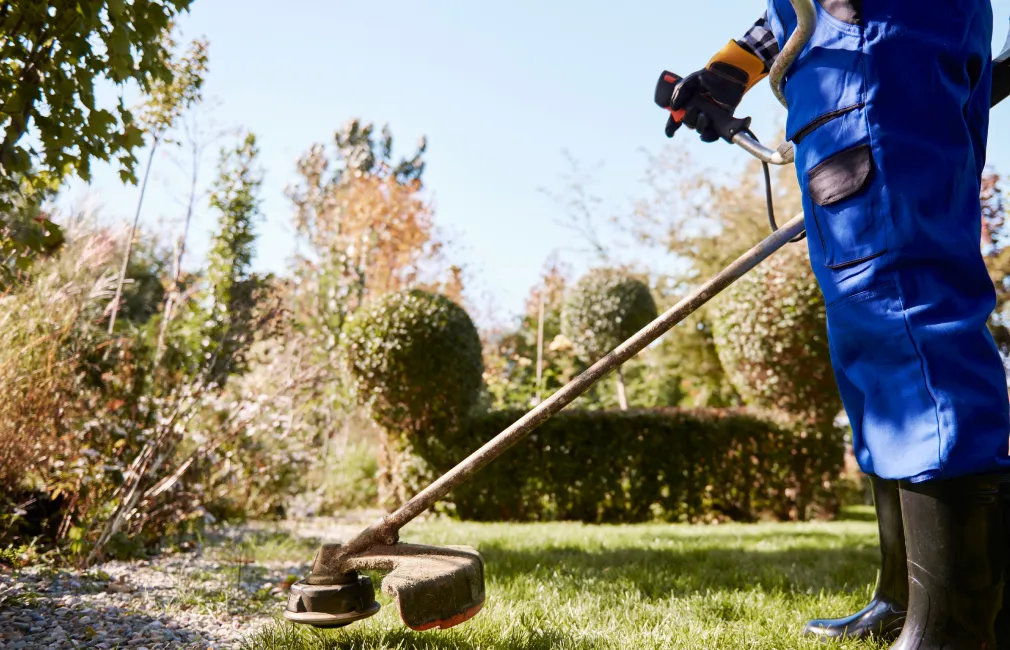
Mechanical Weeding
-
Landscape Fabric Installation
-
Selective Weeding for Flower Beds
Our Weeding Process
Site Evaluation
Weed Identification
Targeted Removal
Soil Treatment
Final Inspection
Why Choose Woodbury Landscape Services
-
Woodbury Homeowners Trust Us
-
Expert Lawn Maintenance
-
Reliable Seasonal Cleanup
-
Competitive Pricing
-
Professional Team
-
Satisfaction Guarantee
-
Personalized Service
Woodbury’s Glacial Till Soils and Weeding Best Practices
Weeding in Woodbury, CT requires careful consideration of the town’s predominant glacial till soils, which are typically classified as Inceptisols and Ultisols according to the USDA Web Soil Survey. These soils are often rocky, moderately acidic (pH 5.5-6.5), and can exhibit poor drainage, especially in low-lying areas. Effective weed removal should include:
- Soil testing (available through UConn Extension; typical cost $15-25)
- Compost incorporation: 2-3 inches tilled to 6-inch depth
- Lime application if pH is below 6.0
- Mulching to suppress regrowth Hand-pulling is recommended for shallow-rooted weeds, while deep-rooted species may require specialized tools. For persistent infestations, mechanical cultivation to a depth of 3-4 inches is advised. Always avoid disturbing soil within 25 feet of wetlands to comply with local buffer regulations.
Woodbury CT Conservation Commission
281 Main Street South, Woodbury, CT 06798
Phone: (203) 263-2141
Official Website: Woodbury CT Conservation Commission
Yard Waste Collection and Disposal Procedures for Weeding Debris in Woodbury
Proper disposal of weeding debris in Woodbury is managed through the Department of Public Works. Yard waste collection occurs every Thursday from April through November. Residents must use biodegradable paper bags or reusable bins (32-gallon maximum); plastic bags and branches over 4 inches in diameter are prohibited. Accepted materials include:
- Weeds, leaves, and grass clippings
- Brush under 4 feet in length
- Small twigs and plant debris Drop-off at the town transfer station is available during posted hours for larger loads. Failure to comply with collection guidelines may result in fines under municipal code. For up-to-date schedules and accepted materials, consult the department directly.
Woodbury CT Public Works
281 Main Street South, Woodbury, CT 06798
Phone: (203) 263-3633
Official Website: Woodbury CT Public Works
Environmental Compliance: Wetland Buffers and Stormwater Protection in Woodbury
Weeding activities near Woodbury’s wetlands, streams, and conservation areas must adhere to strict environmental regulations. The town enforces a 25-foot no-disturbance buffer from all designated wetlands, as overseen by the Conservation Commission. The Connecticut Environmental Protection Act and the Clean Water Act prohibit the disposal of plant debris or soil in storm drains or water bodies. Key compliance steps include:
- Maintain 25-foot buffer from wetlands
- No herbicide or fertilizer application within 50 feet of water bodies
- Prevent runoff of soil or mulch into storm drains
- Use erosion control measures on slopes Violations may result in enforcement actions by the town or state agencies. For guidance on buffer zones and stormwater management, contact the Conservation Commission or the Water Pollution Control Authority.
Woodbury CT Water Pollution Control Authority
281 Main Street South, Woodbury, CT 06798
Phone: (203) 263-2141
Official Website: Woodbury CT Water Pollution Control Authority
Connecticut Department of Energy and Environmental Protection
79 Elm Street, Hartford, CT 06106
Phone: (860) 424-3000
Official Website: Connecticut Department of Energy and Environmental Protection
Seasonal Timing and Weather Considerations for Weeding in Woodbury’s Climate
Woodbury is located in USDA Hardiness Zone 6b, with average last frost in late April and first frost in late October. Optimal weeding windows are:
- Spring: April 15 – June 15 (soil temp 50-65°F)
- Fall: September 1 – October 15 (before first frost) Avoid weeding during July-August heat stress periods, as soil disturbance can promote weed seed germination. Monitor local weather forecasts through the National Weather Service (Boston/Norton office) to plan around rainfall and soil moisture. For persistent perennial weeds, repeated removal every 2-3 weeks during the growing season is recommended. Mulching after weeding helps suppress regrowth and conserve soil moisture.
What Neighborhoods Do We Serve Throughout Woodbury, CT?
- Historic District/Main Street: Characterized by mature landscaping, stone walls, and compacted glacial till soils. Properties often have drainage challenges and require careful hand-weeding near historic features.
- Pomperaug River Corridor: Proximity to the river and associated wetlands necessitates strict buffer compliance and erosion control. Soils are moderately acidic and prone to seasonal flooding.
- Quassuk Road Area: Larger lots with mixed woodland and open fields. Heavy leaf litter and shade promote moss and broadleaf weed growth; mechanical removal is often needed.
- Transylvania Road Neighborhood: Newer developments with fill soils and moderate slopes. Soil compaction and runoff are common, requiring mulching and erosion control during weeding.
- Woodlake Community: Dense residential area with HOA landscaping standards. Regular weeding is required to maintain curb appeal and comply with community guidelines.
- Bacon Pond Road Vicinity: Near conservation land and protected habitats. Sensitive areas require manual weeding and strict avoidance of chemical applications.
- Old Sherman Hill Road: Rural properties with variable soil depth and rocky subsoils. Access limitations may require specialized equipment for effective weed management.