
Woodbury Hedging Services
Choose our professional hedging services for precise, beautiful, and healthy hedges that enhance your property's curb appeal and privacy—crafted by experienced specialists who care about your landscape as much as you do.
Get a Free QuoteOur Woodbury Landscaping & Yard Care Services
When to Schedule Hedging in Woodbury, Connecticut – Seasonal Guide
In Woodbury, Connecticut, the best times to schedule hedging are typically late spring and early fall. These periods align with the region’s moderate temperatures and reduced risk of frost, which is especially important given Woodbury’s variable climate. Early spring hedging, after the last frost date, encourages healthy regrowth, while fall trimming helps maintain shape before winter sets in. Neighborhoods near the Pomperaug River or around Main Street South often experience higher humidity and richer soils, which can influence how quickly hedges grow and when they should be trimmed.
Local environmental factors such as the risk of late spring frosts, summer drought conditions, and the shade provided by mature trees in areas like the Historic District all play a role in determining the optimal hedging schedule. It’s also important to consider municipal guidelines, which can be found on the town’s official website, to ensure compliance with local landscaping ordinances.
Local Factors to Consider for Hedging in Woodbury
- Proximity to wooded areas and tree density, especially in neighborhoods like Quassuk Road
- Soil type and drainage, which can vary between hillside and riverside properties
- Annual precipitation patterns and risk of summer drought
- Shade coverage from mature maples and oaks
- Municipal restrictions or guidelines for hedge height and timing
- Terrain slope, which affects water runoff and root stability
Benefits of Hedging in Woodbury
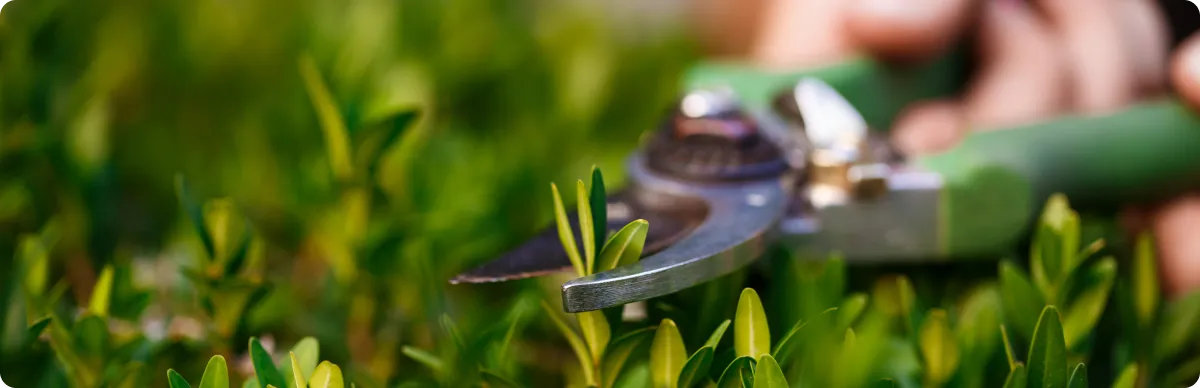
Enhanced Property Privacy
Improved Curb Appeal
Natural Noise Reduction
Increased Property Value
Low Maintenance Solutions
Expert Local Landscaping Team
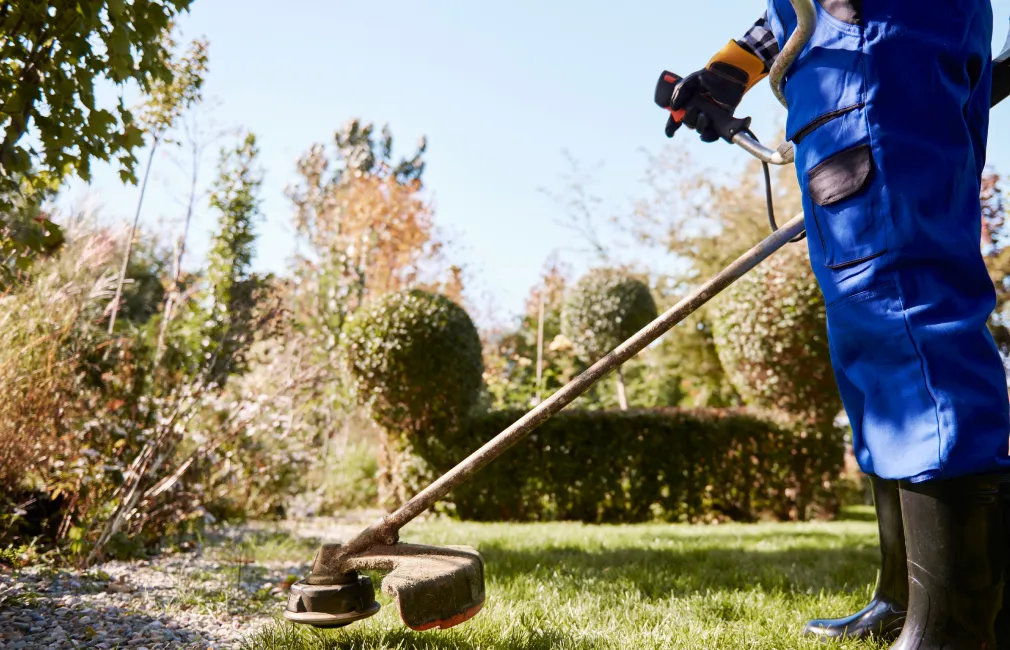
Woodbury Hedging Types

Boxwood Hedges
-
Privet Hedges
-
Yew Hedges
-
Laurel Hedges
-
Holly Hedges
-
Hornbeam Hedges
-
Beech Hedges
Our Hedging Process
Consultation and Planning
Site Preparation
Precision Trimming
Cleanup and Inspection
Why Choose Woodbury Landscape Services
-
Woodbury Homeowners Trust Us
-
Expert Lawn Maintenance
-
Reliable Seasonal Cleanup
-
Competitive Pricing
-
Professional Team
-
Satisfaction Guarantee
-
Personalized Service
Hedging Practices and Municipal Coordination in Woodbury
Hedging activities in Woodbury are subject to specific municipal oversight to ensure public safety, right-of-way visibility, and compliance with local ordinances. The Town of Woodbury requires that hedges along public roads and intersections be maintained below 36 inches in height within 25 feet of a street corner to preserve sightlines. Equipment operation for hedge trimming is permitted during the following hours:
- Monday-Friday: 7:00 AM - 7:00 PM
- Saturday: 8:00 AM - 6:00 PM
- Sunday and holidays: Prohibited
All hedge debris must be disposed of through the town’s weekly yard waste collection, which occurs every Thursday from April through November. Only biodegradable bags or 32-gallon reusable containers are accepted; plastic bags and branches over 4 inches in diameter are prohibited. For questions regarding collection schedules or right-of-way regulations:
Woodbury CT Public Works
281 Main Street South, Woodbury, CT 06798
Phone: (203) 263-3633
Official Website: Woodbury CT Public Works
Soil Series and Site Considerations for Hedging in Woodbury
Woodbury’s landscape is characterized by Inceptisols and Ultisols, with prevalent glacial till soils such as the Charlton-Chatfield and Canton series. These soils are moderately acidic (pH 5.5-6.5) and often stony, with poor to moderate drainage in low-lying areas. When establishing or maintaining hedges, it is essential to:
- Conduct a soil test through UConn Extension (typical cost: $15-25)
- Amend soil with 2-3 inches of compost tilled to a 6-inch depth for improved structure
- Apply lime if pH is below 6.0 to support optimal root growth
- Select species tolerant of stony, moderately acidic soils
For detailed soil mapping and site-specific recommendations, consult the USDA Web Soil Survey. These practices help ensure healthy hedge establishment and compliance with local site conditions.
Environmental Compliance: Wetland Buffers and Stormwater in Woodbury
Hedging near Woodbury’s wetlands, streams, and conservation areas is regulated to protect sensitive habitats and water quality. The town enforces a 25-foot no-disturbance buffer from all designated wetlands, and no hedge planting, removal, or chemical application is permitted within this zone. The Connecticut Environmental Protection Act and the Clean Water Act require that all yard waste, including hedge clippings, be kept out of storm drains to prevent MS4 permit violations. Key compliance steps include:
- Maintain a 25-foot buffer from wetlands
- Prohibit fertilizer or pesticide use within 50 feet of water bodies
- Ensure all debris is collected and not left on impervious surfaces
For guidance on buffer zones and wetland boundaries:
Woodbury CT Conservation Commission
281 Main Street South, Woodbury, CT 06798
Phone: (203) 263-2141
Official Website: Woodbury CT Conservation Commission
Selecting Hedge Species for Woodbury’s Climate and Wildlife
Woodbury is located in USDA Hardiness Zone 6b, with average annual minimum temperatures of -5°F to 0°F. Hedge species must be selected for winter hardiness, deer resistance, and adaptability to local soils. Recommended species and spacing include:
- Full sun: American holly (Ilex opaca), common boxwood (Buxus sempervirens), inkberry (Ilex glabra)
- Partial shade: Eastern hemlock (Tsuga canadensis), yew (Taxus x media)
- Deer resistant: Japanese pieris (Pieris japonica), spirea (Spiraea japonica)
- Native options: Arrowwood viburnum (Viburnum dentatum), winterberry (Ilex verticillata)
- Spacing: 18-24 inches apart for dense screening
For further plant selection guidance, consult UConn Extension and the USDA Plant Hardiness Zone Map.
Safety Protocols and Equipment Standards for Hedge Maintenance in Woodbury
Professional hedging in Woodbury requires adherence to safety standards and equipment regulations. All operators must use:
- Eye protection: ANSI Z87.1 safety glasses
- Hearing protection: Earmuffs or plugs for 85+ dB noise
- Footwear: Steel-toed boots with non-slip soles
- Gloves: Cut-resistant for pruning, chemical-resistant for applications
Maintain a 15-foot clearance from power lines and public walkways during operation. Commercial-grade trimmers must be equipped with functional mufflers, and blades should be sharpened every 20-25 hours of use. For work near public roads, advance warning signs must be placed 500 feet from the work zone. The town enforces these standards to minimize risk and ensure public safety.
Woodbury CT Tree Warden
281 Main Street South, Woodbury, CT 06798
Phone: (203) 263-2141
Official Website: Woodbury CT Tree Warden
What Neighborhoods Do We Serve Throughout Woodbury, CT?
- Historic District: Features mature hedges and stone walls, with stony glacial till soils and strict height regulations to preserve historic sightlines and character.
- Pomperaug River Corridor: Proximity to wetlands and floodplain areas requires strict adherence to 25-foot buffer zones and careful debris management to protect water quality.
- Quassuk Road Area: Larger lots with mixed woodland edges, where deer pressure and shade tolerance are key factors in hedge species selection and maintenance.
- Transylvania Road: Rolling terrain with moderate slopes and variable drainage, necessitating erosion control measures and careful site preparation for hedging.
- Woodlake Community: Dense residential development with HOA guidelines on hedge height, spacing, and approved species, as well as limited equipment access.
- Main Street South: Commercial and civic corridor with high pedestrian traffic, requiring enhanced safety protocols and coordination with town right-of-way maintenance.
- Tainter Hill: Elevated, exposed sites with wind and winter salt exposure, demanding hardy, salt-tolerant hedge species and regular winter maintenance.